In celebration of Philip Glass’ 90th birthday, organist and pianist James McVinnie presents Glass Diptych, a new album exploring the remarkable breadth of the composer’s musical language. Moving from the rhythmic repetition of Dance No. 4 and Mad Rush to the more harmonically expansive language of his later works, the album offers a distinctive portrait of one of contemporary music’s most influential composers.
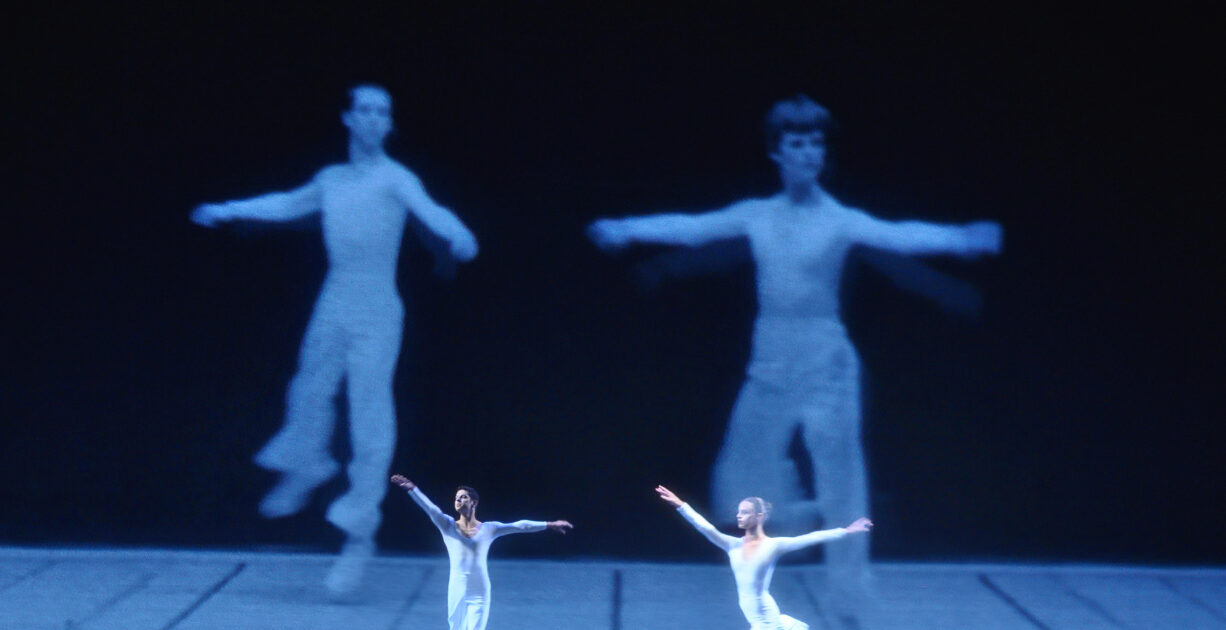
Both Dance No. 4 and Mad Rush date from 1979 and reveal different facets of Glass’s approach to repetition, transformation and musical time. Created in collaboration with choreographer Lucinda Childs and visual artist Sol LeWitt, Dance No. 4 is particularly rooted in the interplay between music, movement and visual art. The programme also features Distant Figure (A Passacaglia for Solo Piano), alongside McVinnie’s own organ arrangement of the Mishima Quartet and Etude No. 20, bringing piano and organ together in a programme that highlights the extraordinary range of Glass’s sound world.
The recording features the Rieger organ at St Giles’ Cathedral in Edinburgh, an extraordinary modernist instrument whose distinctive palette ranges from bright, almost synthesiser-like sonorities to powerful, resonant bass tones. Its rich variety of colours and the cathedral’s opulent acoustic setting provide a compelling sonic landscape for Glass’s music.
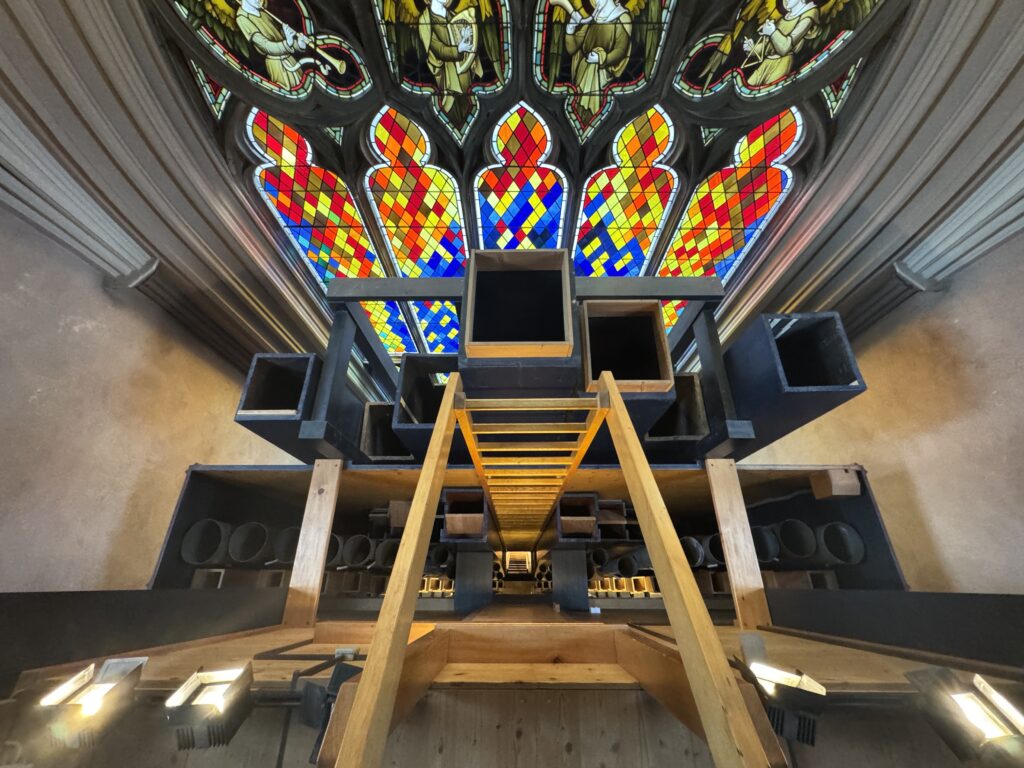
Reflecting on the instrument and the recording process, McVinnie describes the Edinburgh Rieger as “a feast for both the ears and eyes”, praising its transparent yet fiery reed stops and broad foundational tones.
Following his PENTATONE debut with Dreamcatcher (2025) and Bach: Clavier-Übung III (2026), McVinnie returns with this distinctive exploration of Philip Glass’s music, further showcasing his boundless approach to music-making and captivating musicianship.
Glass Diptych will be released digitally on 15 January 2027.